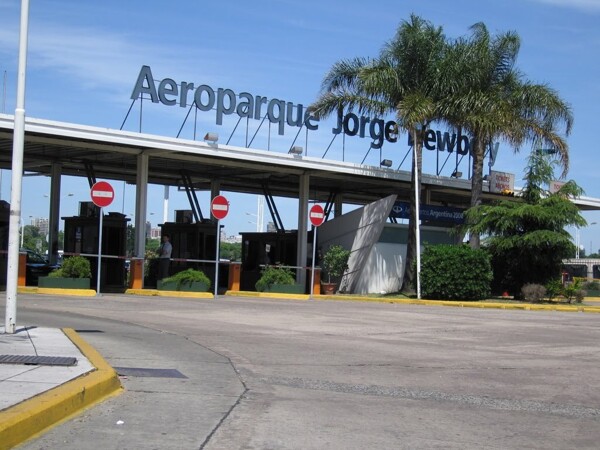
With the growth of global tourism, it has become essential to plan not only the destination and accommodation but also health protection. As we approach the summer season, with school holidays, Year-end festivities, and what for many represent vacation days, travel for tourism and leisure is increasing. In 2024, nearly 1.4 billion tourist movements were recorded internationally, a figure almost pre-pandemic and with an upward trend in 2025. The increase in travel brings an impetus for the transmission of diseases between regions, even to places where they did not previously circulate. Traveling usually implies joy, new experiences, adventures, and discoveries, but also the responsibility of preventing health risks. "A prior medical consultation can prevent complications during the trip and protect the communities we visit," said Dr. Hebe Vázquez. It is estimated that for every 100,000 travelers heading to tropical areas, approximately half will experience some health problem; 8,000 will consult a doctor during the trip; 5,000 will spend at least one day in bed; 1,100 will suffer some degree of disability; 300 will be hospitalized; 50 will need to be evacuated or repatriated, and one will die. "Not only international trips involve risks. Displacements within the country, especially to rural areas or with different sanitary conditions, may also require precautions, such as updating the vaccination schedule or applying specific vaccines, such as yellow fever, protection against insects, or preparation for climate and altitude changes," the specialist pointed out. Last year, 4.1 million trips were made within the country, and in the first half of 2025, 962,000 international trips, mainly to and from Brazil. Travelers must get vaccinated at authorized centers enabled to issue the International Certificate of Vaccination," she added. Additionally, the doctor may indicate vaccines against hepatitis A and B, meningococcal, typhoid, polio, rabies, influenza, COVID-19, and measles, depending on the destination and duration of the trip. There are also vaccines not available in the country, such as Japanese encephalitis or tick-borne encephalitis, recommended for long stays or camping in rural areas of Asia or Europe. Along with immunization, the specialist highlighted other general self-care measures such as the use of repellents and mosquito nets, food and hydration safety to prevent traveler's diarrhea, sun protection, safe sexual behavior, and contracting international medical insurance. The only mandatory vaccine at the international level is yellow fever. In Latin America, between 1960 and 2022, more than 9,000 cases and 3,300 deaths were reported, with an increase in outbreaks outside the Amazon area in 2025. Yellow fever is an acute viral infection transmitted by the bite of mosquitoes of the genus Aedes or Haemagogus spp. In Argentina, currently the yellow fever vaccine is free and mandatory only in provinces with risk of transmission such as Misiones, Corrientes, Formosa, and some departments of Chaco, Salta, and Jujuy. "It is administered in a single dose and confers protection from 10 days after it is applied. A booster dose is not required," said Dr. Vázquez. The prior medical consultation should ideally be carried out between 4 and 6 weeks before departure and analyze the risk according to destination, type of trip, accommodation, season of the year, age, pregnancy, chronic diseases, and allergies. Immunizations for travelers are divided into routine, required, and recommended according to the destination. The yellow fever vaccine may be required for international travelers or recommended for national and international travelers depending on the destination." Vázquez: "The best measure to prevent disease is vaccination."